Cell-based production leans heavily upon a plentiful suite of starting materials to yield progressive bio-based commodities.
Securing long-term supply of raw inputs underpins enduring viability and ethical market growth.
diverse obstacles inherent in legacy sourcing approaches for example habitat harm and overextraction of resources. Accordingly, companies are required to implement regenerative sourcing methods to mitigate footprints.
- Models of sustainable material sourcing include:
- Applying circular feedstocks from post-harvest streams
- Installing reclamation workflows to diminish waste and heighten recovery
- Teaming up with provincial partners who practice sustainable procurement
Shifting to ethical sourcing drives environmental value and long-term commercial viability.
Optimizing Biomass Feedstocks for Enhanced Biofuel Production
Enhancing biofuel output is grounded in superior feedstock characteristics. Analysts tirelessly probe advances to elevate feedstock conversion, leading to higher yields of biofuels and a more sustainable energy future. Initiatives integrate bioengineering to scale biomass production and pretreatment workflows to free fermentable sugars.
- Similarly, research probes algae, byproduct streams, and harvest remnants as potential sustainable sources to augment biofuel feedstocks.
- As a result of relentless efforts the industry should deliver significant enhancements paving a path to sustainable energy.

Biopharmaceutical Manufacturing: Advancements in Upstream Processing
comprises front-end procedures like culture expansion and cell retrieval New innovations across this area have produced enhanced manufacturing methods that boost yields.
Notable improvements feature new expression systems, refined media recipes, and automated reactor platforms. Such breakthroughs boost efficiency and simultaneously reduce manufacturing costs and carbon burdens.
- Likewise, the move to continuous systems facilitates better adaptability and streamlined upstream production.
- Implementing cutting-edge manufacturing technologies will probably redefine workflows and accelerate innovation.
Molecular Editing Strategies to Increase Bioproduct Output
advances in genomic editing tools including CRISPR have transformed therapeutic manufacturing. Through controlled genetic modifications, practitioners increase therapeutic protein production. This capability can unlock development of cost-efficient, high-performance biologics for many conditions.
Microbial Biotechnology as a Sustainable Cleanup Strategy
promising microbial strategies enabling effective environmental cleanup and restoration. Certain microbes have capacities to biotransform contaminants into nonharmful forms.. Leveraging microbial biotransformation promotes sustainable remediation that curbs industrial environmental impacts.. Investigators study multiple microbial strains for abilities to transform metals, degrade agrochemicals, and process petroleum wastes.. The microbes may be applied within engineered reactors or in situ to catalyze pollutant degradation via biotransformation..
Microbial remediation approaches present key benefits relative to classic remediation methods. The approach tends to lower treatment costs and avoids producing toxic residuals. Additionally, microbial tactics can target contaminants selectively while preserving surrounding ecological systems. Research efforts persist to upgrade the potency and implementation of microbial remediation strategies.
Bioinformatics Tools Transforming Drug R&D
Advanced informatics contributes significantly to today’s drug research environment. By integrating diverse datasets, bioinformatics enhances candidate identification and therapeutic optimization.
- Via examination of genomic, proteomic, and clinical datasets, researchers pinpoint targets and project drug activity.
- Also, in silico modeling of molecular interactions accelerates optimization toward more selective therapeutics.
- In the end, informatics-driven methods streamline development and accelerate delivery of therapeutic solutions to patients.
Engineering Cellular Pathways for Improved Bioproduct Output
integrates multiple methods to augment cellular production of target bioproducts. Methods might combine targeted gene changes to rechannel flux, regulatory element design to control expression, and exogenous gene introduction to provide fresh capabilities.. By calibrating pathway dynamics and expression levels teams can greatly amplify bioproduct yields.
This multifaceted approach has the potential to revolutionize a broad range of industries, including biopharmaceuticals, agriculture, and bioenergy.
Barriers and Benefits When Expanding Biopharmaceutical Manufacturing
Large-scale manufacturing brings notable difficulties together with growth opportunities. Retaining quality standards during scale enlargement is a core difficulty. This requires robust process control, precise monitoring, and sophisticated analytical techniques.
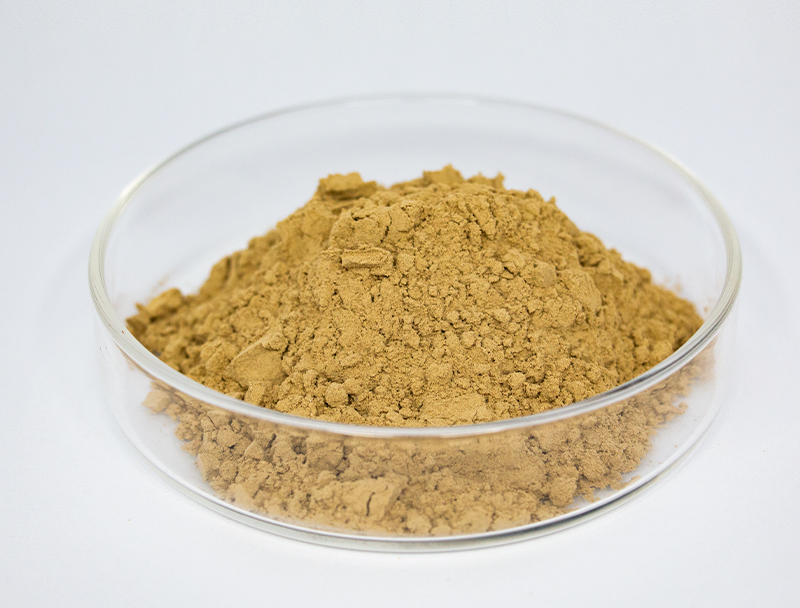
The multi-faceted nature of production steps adds complexity to scaling efforts. Calcium alpha-ketoglutarate Translating lab methods into scalable operations needs heavy research and technology breakthroughs.. Still, the gains can be meaningful. Successful industrialization can broaden availability, trim costs, and raise profitability.
A series of measures are underway to confront these obstacles. Examples include novel optimization technologies, predictive analytics for real-time control, and inventive production models.
- Developmental projects contribute critically to scaling manufacturing competency.
- Regulators are adapting frameworks to speed authorization of novel manufacturing approaches and spur innovation.
Aligning Biomanufacturing with Regulatory Standards for Patient Safety
The development of biopharmaceuticals is a complex process that requires stringent regulatory oversight to ensure both patient safety and product efficacy. Biologic therapeutics bring unique regulatory and manufacturing demands unlike traditional pharmaceuticals.
Agencies like FDA and EMA develop frameworks and criteria for validating and approving cutting-edge biotherapies..
Strict validation and testing steps are required across the product lifecycle from lab studies to post-market oversight.. Such safeguards are intended to detect hazards and ensure therapeutics adhere to top-tier safety benchmarks..
Furthermore, regulatory bodies are constantly evolving their approaches to keep pace with the rapid advancements in biopharmaceutical research.. Programs embrace modern technologies and foster development speed while maintaining patient-centered safeguards.
Plant-Based Biomass Options for Bioplastic Manufacturing
Heightened demand for sustainable products accelerates efforts to develop renewable material alternatives. Converting plant biomass into bioplastics offers a credible pathway to environmentally sound products. Feedstocks including cornstarch, plant cellulose, and sugarcane derivatives yield biodegradable plastics which break down and mitigate plastic pollution.
Similarly, selected bioplastics offer analogous properties to traditional plastics suitable for many applications.. Further innovation is required to mature plant-based bioplastics for broad adoption and circular economic models.
Biotechnology's Impact on Global Health and Food Security
Biotechnology has emerged as a powerful tool with the potential to revolutionize global health and address food security challenges. By harnessing genetic engineering, synthetic biology constructs, and advanced cell therapies, technologists deliver capabilities to reduce disease burden, raise crop outputs, and increase food value. One example is bioengineered crops that withstand pests and stressors, enabling higher yields with less pesticide input.. Furthermore, biotechnology supports creation of vaccines, therapeutic agents, and advanced diagnostics that strengthen responses to infectious threats and enhance health outcomes.. As research progresses, biotechnology holds immense promise for creating a healthier and more sustainable future for all.